



Sign in to share
Dhruv Saxena
I was in Bengaluru when it happened. Twenty-six years old, fourteen months into a job that was slowly eating me from the inside.
My mother called on a Wednesday evening. I almost did not respond. I was tired, the apartment was a mess, I had a report half-finished on my laptop. I picked up… mostly out of guilt.
She asked the usual things. How was work. Had I eaten. Was I sleeping properly. The familiar circuit of her concern, which I answered on autopilot.
And then there was a pause. Not the kind where she’s waiting for my answer. A different kind.
“I’m just very tired these days,” she said.
Three seconds, maybe. Then she moved on, asked something about my cousin’s upcoming trip, and the conversation continued for another ten minutes.
But I remember standing in my kitchen after she hung up, phone still in my hand, staring at the wall.
I had never heard her say that before. Not once in twenty-six years.
Her maiden attempt
Indian mothers don’t say they’re tired.
It’s not that they aren’t tired. The tiredness is almost structural at this point, built into the architecture of the role itself. Decades of running a household, managing everyone’s emotional weather, anticipating needs before they become requests, absorbing stress that wasn’t theirs to carry.
Ah! It’s tiring to even list those!
For them, the tiredness is constant. But the admission of it is not in the script.
They say “managing.” They say “it’s all fine.” They say “don't worry about all that.” They redirect the conversation back to you before you can look too closely at them.
So when the words actually surface, when she actually says “I'm tired,” it doesn't land like a complaint.
Tough phone call
I called her back the next morning. Earlier than I usually called.
“What did you mean yesterday?” I asked. “When you said you were tired.”
A pause. “Arree it’s nothing. I’m just getting older. These things happen.”
“Maa…”
Another pause. Longer this time.
And then she told me. About the knee that had been hurting for almost six months, which she hadn’t mentioned because she didn’t want to make a fuss. About a situation with a relative that had been quietly stressing her out. About missing my father on certain days in ways she couldn’t always explain. About the house feeling very quiet, in a way that wasn’t really peaceful.
Small things, individually. The kind of things she would normally absorb without comment, file under “nothing important,” and convert into energy she’d redirect toward everyone else.
But together, sitting there in that phone call, they felt like a weight. One she’d been carrying alone for a while.
Because who do you tell? She’d spent thirty years being the person everyone else brought their weight to. The infrastructure of the family’s emotional life. It had never really occurred to any of us to ask if she needed somewhere to put hers.
We remember
I’ve talked to other people about this. About the moment their mother first admitted to being tired, or in pain, or lonely, or scared.
Almost everyone remembers it exactly. With the same precision you remember where you were when you got important news.
Because it is important news. It’s the quiet, undramatic announcement that something fundamental has shifted.
Your mother is not the fixed point you have always organised your understanding of the world around. She has a body that accumulates. She has feelings that don’t always get processed. She has limits, actual ones, and she’s reached some of them.
And she’s telling you. Which means she has decided, somewhere, that you can handle knowing.
What nobody prepares you for is that this isn’t a single moment. It’s the beginning of a long, slow adjustment.
First it’s just that she’s tired. Then it’s that she needs help navigating something on her phone. Then it’s that she’s not sure about a health thing and wants your opinion. Then it’s that she called you first because you’ve become the person she trusts most with the parts of herself she doesn’t show everyone.
And somewhere in all of that, the roles quietly reorganise themselves. You become the person she leans on. The relationship expands to hold more things than it once did.
It’s not a burden. It doesn’t feel like one, once you understand what it is.
It’s just love at a different stage. Love that now goes in both directions with equal weight.
The doors opened
After that phone call, something between us changed. Opened, really.
I started calling more. Not just picking up when she called. Actually initiating. Asking questions that went beyond the surface circuit. “How are you really?” instead of just “How are you?”
She started telling me more. Not everything. The “I'm fine” is still her default first response, probably always will be. But the door had opened, and it stayed open. She’d push through it, sometimes, when she needed to.
Last time I was home, I could see the tiredness in her face in a way I would have missed before. Would have logged as nothing and moved on.
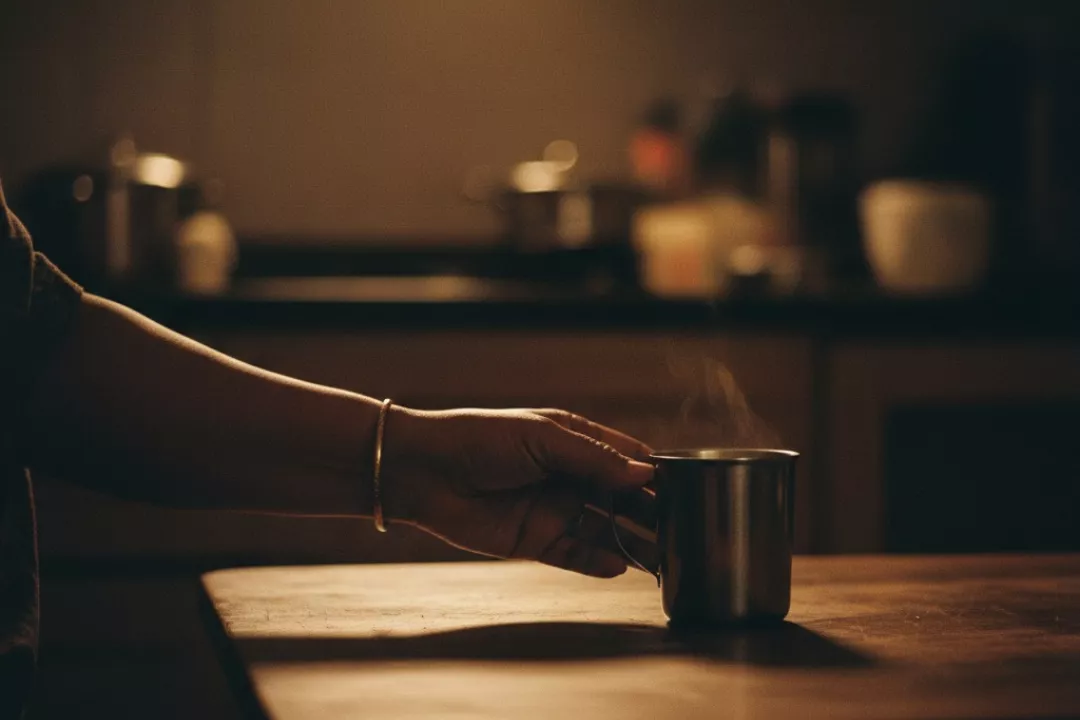
Instead I made her sit down. Made her tea. Found the Sunfeast Mom’s Magic biscuits she likes and put them next to her without asking. Sat with her for an hour doing nothing in particular.
She looked at me at one point with an expression I couldn’t quite read. Like she was trying to figure out when this had happened. When I had started noticing.
Honestly, Maa. I’m still figuring that out too.
If your mother has ever said, in passing, that she’s tired, or that things are hard, or that she’s getting older in a way that sounds like more than just a fact, go back to that moment.
She wasn’t complaining. She’s not built for complaining.
She was letting you in. Offering you a glimpse of the person behind the role. Trusting you with something she doesn't hand out easily.
Ask her what she meant. Ask her how she’s really doing. Not the autopilot version. The real one.
She’ll probably deflect the first time. Say it was nothing, don’t make a fuss.
Ask again. Gently. Stay in it.
Because somewhere underneath all the “I'm fine” is a person who has kept the whole thing running for decades, who has given more than she’s ever asked for in return, and who deserves someone to sit with her tiredness instead of letting her carry it alone.
Be that person.


