



Sign in to share
Shikha Sharma
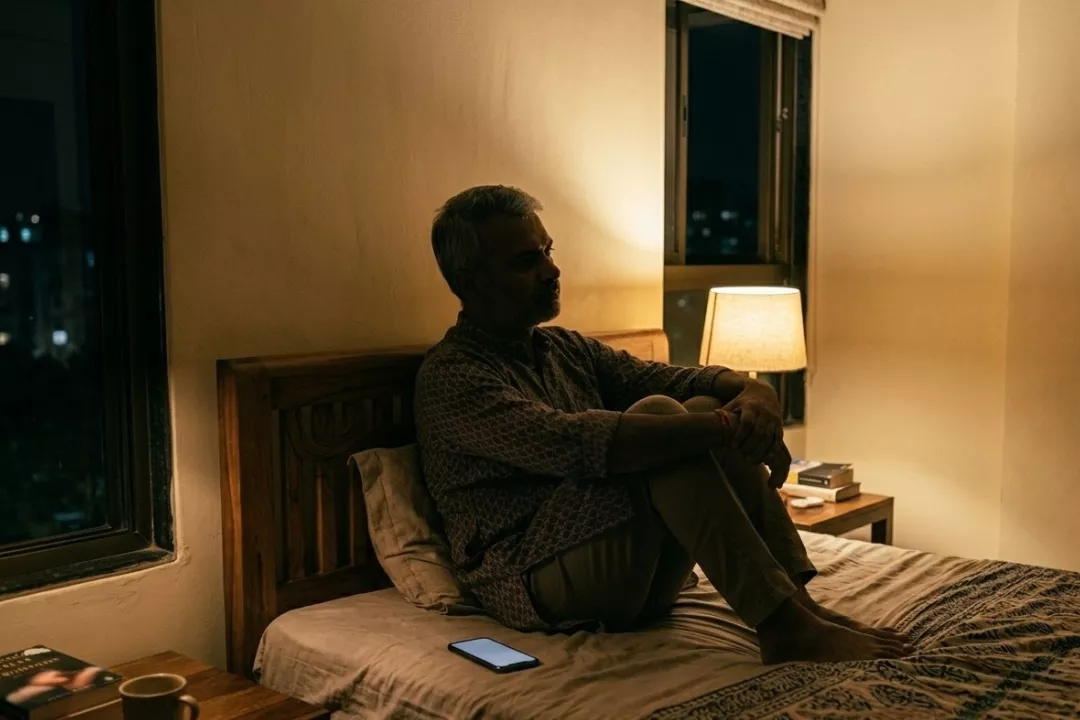
I have a friend, Sameer, who is excellent at relationships on paper.
Attentive, reliable, remembers important dates, shows up when it matters, says the right things at the right times. Every person he has dated has, at some point, described him as a great partner. He has also ended or watched end every significant relationship he's been in, and the reason is always some version of the same thing.
He doesn't let anyone actually know him.
He told me this himself last year, with the specific clarity of someone who has been in therapy long enough to see the pattern but not yet long enough to have fully changed it. He said he knew how to be a good boyfriend in all the ways that were visible. He just couldn't do the part where you show someone who you actually are underneath the performance.
He'd been with his last girlfriend for two years. She knew his food order at every restaurant they went to. She didn't know he was terrified of failing professionally. She knew his friends and his family. She didn't know he still thought about a decision he'd made six years ago and felt guilty about it sometimes. She knew the surface of him perfectly. She didn't know him at all.
When they broke up, she told him she felt like she'd been in a relationship with a very convincing version of him and never the actual person. He said he knew exactly what she meant. That was the worst part.
I was sitting with Sameer at my kitchen table when he told me all this. We had chai and Sunfeast Marie Light between us, which is what appears on my table whenever a conversation is about to get real, and he laid it all out with the calm of someone who had rehearsed the analysis enough times that it no longer surprised him. The insight was there. The change was harder.
I asked him why he did it. Why he kept the door closed.
He said, "Because if I show someone the real version and they leave, there's nothing left to hide behind."
That sentence sat between us for a while.
The Curated Self
Everyone does a version of what Sameer does. We present the edited version first. This is not dishonest. It's just how human beings work. You don't walk into a first date and immediately share your deepest fears and your most embarrassing failures. You build up to it. That's normal.
The problem is when the build-up never arrives. When the edited version just stays, indefinitely, because dropping it feels too risky.
My friend Priya told me she spent the first three years of her marriage being, in her words, extremely likeable. Warm, easy, accommodating, never saying anything that might make her husband see her differently. She managed his perception of her with the quiet vigilance of someone who believes, at some level, that if he ever saw the full picture he might like it less.
She did this without consciously knowing she was doing it. It took a therapist to point it out.
Her husband had been trying to get closer to her for years and kept hitting an invisible wall he couldn't name. He knew something was being managed. He didn't know what. He just felt slightly outside of her, always, no matter how much time they spent together.
What Being Known Actually Requires
Being known requires showing someone the parts you're not sure they'll accept.
Not all at once. Not in a dramatic confession. Just, gradually, letting the edited version give way to the actual one. The fears you don't talk about. The things you're ashamed of. The version of yourself that exists at 3am when you're not performing for anyone.
My colleague Rohan said the moment his relationship became real was when he told his wife something he'd never told anyone. Nothing dramatic. Just a small, private failure he'd been carrying for years that he was embarrassed about. He expected her to think less of him. She listened and then said, "I have one of those too." And told him hers.
He said the whole dynamic shifted after that. They'd been close before. After that they were actually close. The difference was that he finally felt like she knew him. Not the version he'd been presenting. Him.
Why We Don't Do It
Being known is terrifying because it removes the safety net. If you show someone the curated version and they leave, you can tell yourself they didn't really know you. If you show someone the real version and they leave, there's nothing to hide behind.
The curated self is a form of protection. It's just also a form of loneliness. You can be with someone for years and feel completely alone inside the relationship because nobody in it actually knows you.
My friend Divya went through this in her first marriage. So committed to being the person her husband had fallen for that she kept updating that person, editing herself in real time, never letting on when she was struggling or uncertain or different from the version he expected. She described it as exhausting. Like playing a character in a show that had been running too long.
The marriage ended. She told me afterwards that one of the things she'd mourned was never having been known in it. Years of her life spent with someone who had loved a very careful construction of her. Not her.
What Changes When You Let It Happen
Sameer is seeing someone new. He told me last month that he'd done something different this time. About six weeks in, he'd said something true about himself that he'd never normally say this early. Something small, not a confession, just a real thing. A fear. An uncertainty. Something unedited.
She'd responded with something equally real about herself.
He said it felt like the relationship jumped forward three months in one conversation.
It's not a guarantee of anything. But it's a start. The actual relationship can't begin until both people are actually there.
The performance is not the relationship. It's just the waiting room.


