



Sign in to share
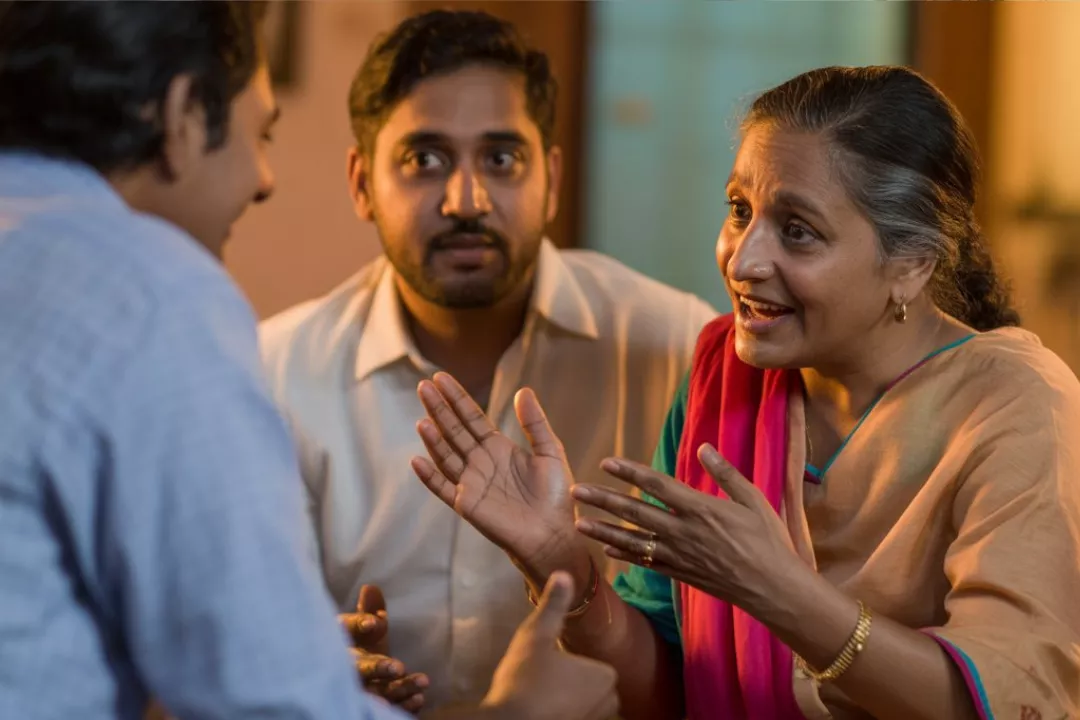
My mother tells people I work in content.
She says this with complete confidence, the way you say something you've explained many times and have fully understood. "He works in content." People nod. The conversation moves on. Nobody asks follow-up questions because "content" is one of those words that sounds like it means something while successfully meaning nothing in particular.
I do not work in content. Or I do, depending on how loosely you define it. The actual job involves strategy and platforms and audience behaviour and a number of other things that I have explained to my mother on at least four separate occasions with decreasing optimism each time.
After my first explanation, she said, "so like writing?"
After my second, she said, "but who pays you for this?"
After my third, she said, "okay I understand" in the tone of someone who absolutely does not understand but has decided to stop asking questions.
After my fourth, she started telling people I work in content. I've stopped correcting her.
My father's version is different. He tells people I work "in media, digital side." He adds "digital side" with the authority of someone who has researched this. He has not researched this. He heard me say "digital" once and filed it away as the key word. Technically he is not wrong. I find this both charming and slightly humbling.
I was home last month and my mother put out Mom's Magic biscuits with the evening chai, the way she always does, and her friend Mrs. Mehra was visiting. Mrs. Mehra asked what I was doing these days. My mother said, "content." Mrs. Mehra nodded. I smiled. My mother looked proud. The biscuits were very good.
The Job She Prepared Me For
My mother prepared me, with considerable care and effort, for a specific set of jobs.
Doctor. Engineer. Civil services. Bank officer. These were the understood categories. These were the jobs with clear names, clear trajectories, clear answers to the question of what you do. You could explain them at a family function in one sentence and everyone would understand and be appropriately impressed.
"He's a software engineer at a good company." Done. Conversation over. Success confirmed.
Nobody prepared her for "he works in digital strategy and content for a living, the exact nature of which changes every eighteen months because the industry does."
My friend Nikhil is a UX designer. His mother tells people he "makes websites." He has explained, patiently, that he doesn't make websites exactly, he designs the experience of using them, which is a different and specific discipline. His mother listens to this explanation and then continues telling people he makes websites, because making websites is something people understand and UX design experience is not.
He has made peace with this. The websites explanation gets him through family functions without anyone asking follow-up questions. He considers this a net positive.
The Vocabulary Gap
Part of the problem is genuinely linguistic. The jobs our generation does often require vocabulary that simply didn't exist when our mothers were forming their understanding of the working world.
Product manager. Growth hacker. Data scientist. Brand strategist. Content creator. Community manager. These are real jobs with real descriptions and not a single one of them means anything to someone whose professional reference points were formed in the eighties.
My friend Priya is a product manager at a tech startup. Her mother's explanation is that she "manages a product." This is technically correct. It tells you nothing. When pressed, her mother adds, "it's like being in charge of something." Priya has stopped pressing.
My friend Karan works in venture capital. His mother tells people he "helps with investments." His father, more ambitiously, tells people he "works with companies." Both are true. Neither captures the actual job. Karan has decided this is fine. He's the one who knows what he does. The family function audience doesn't need the details.
What She Actually Knows
Here's the thing about my mother not knowing what I do. It doesn't mean she doesn't know anything about my work.
She knows when I'm stressed. She can hear it in my voice before I've said anything of substance. She knows when something has gone well because I sound different on those calls, lighter, more at ease. She knows I work hard and that I care about it and that it takes up a significant amount of my mental space.
She knows the parts that matter. She just can't name the job.
My colleague Rohan said his mother couldn't explain his job to save her life but she had, unprompted, started following the company he works for on some social media platform she'd created an account on specifically for this purpose. She doesn't understand most of what the company posts. She likes every single post. Without fail. Within minutes of it going up.
She doesn't know what he does. She's showing up for it anyway.
The World She Prepared You For Versus the One You Ended Up In
My mother prepared me for a world where jobs had names and the names meant things and you could explain yourself at a family function without anyone's eyes glazing over.
I ended up in a different world. Most of us did. The jobs our generation does are newer, stranger, harder to explain, often better paid than the understood categories, and almost universally mysterious to our parents.
She couldn't have prepared me for this world. She didn't know it was coming. Nobody did.
But she prepared me for something more transferable. She prepared me to work hard and show up and keep going even when things were unclear. None of that is specific to any job description. All of it has been useful.
I work in content. She's not wrong. It's a terrible explanation and it will do just fine.


