



Sign in to share
Dhruv Saxena
You call her on a Sunday. She picks up on the second ring. She always does. You ask how she is. She says, “I'm fine, all good, you tell me about yourself.”
And just like that, the conversation moves on to you.
It happens so naturally that you don’t even clock it. She deflected, you accepted, and now you’re talking about your week while she quietly folds herself back into the background. The way she always does.
Have you ever thought, what if she wasn’t fine?
Why “I'm Fine” Is Her Default Setting
Indian mothers of a certain generation were raised with a very specific understanding of what their role looks like. You take care of everyone else. You don’t add to anyone's load. You manage. You cope. You serve chai and you say everything is okay even when your knees hurt and you haven’t slept well in two weeks and the house feels very quiet these days.
“I’m fine” isn’t a lie, exactly. It’s more like a reflex. A deeply ingrained habit of protecting the people she loves from having to worry about her. Because in her mind, if you’re worrying about her, she’s failing at her job.
The problem is that it works. You believe her. And she continues to not be fine, alone, while you go about your week reassured that everything is okay.
The Trap of the Surface-Level Check-In
Most of us call our mothers with the best intentions and somehow still leave them feeling unseen. It’s not because we don’t care. It’s because we ask the wrong questions.
“How are you?” is too easy to deflect. “Everything okay?” invites a yes or no. “Khana kha liya?”, she'll say yes even if she ate alone at 4 p.m. because cooking a full meal for one didn’t seem worth the effort.
These questions let her off the hook. And she will take that exit every single time, because asking for more feels like asking too much.
So you have to ask differently.
Questions That Actually Open the Door
The goal isn’t to interrogate her. It’s to make her feel like her life, the small details of it, is something you’re genuinely curious about. Because you are. I know. You’ve just never quite known how to show it.
Don’t beat yourself about it. Try these instead of the usual rotation:
“What have you been doing with your mornings lately?”
This is specific enough that she can’t just say “nothing, same old.” It invites a real answer.
“Have you spoken to your friends recently? What's going on with them?”
Indian mothers often have rich social lives that we know nothing about. She might light up talking about her kitty group or the neighbour she had chai with, or she might go quiet in a way that tells you she's been more isolated than usual.
“Is there anything that’s been bothering you this week? Even something small?”
The “even something small” is doing a lot of work here. It gives her permission to bring up something that she would otherwise dismiss as not worth mentioning.
“What's something you enjoyed recently?”
Simple, but most of us never ask this. We ask if she’s okay, we never ask if she’s happy.
“How are you feeling in your body these days?”
Indian mothers are especially likely to downplay physical pain. A direct, caring question about her physical health, separate from “are you sick,” can surface things she’s been quietly managing alone.
Learning to Read the Gaps
Sometimes the answer isn’t in what she says. It’s in what she doesn’t.
If she changes the subject quickly when you ask about a specific thing, there’s usually something there. If she says “haan haan, sab theek hai” a little too quickly, it’s worth gently pushing. If she deflects by asking about you, it’s not always because she’s not interested in her own life, sometimes it’s because talking about herself makes her feel like a burden.
The move here isn’t to push so hard that she feels interrogated. It’s to hold the door open a little longer. “I asked about you, and I actually want to know” goes a long way coming from a child she’s spent her whole life prioritising.
Giving Her Permission to Not Be Fine
The most important thing you can do, and this sounds simple but it isn’t, is to respond in a way that rewards honesty.
If she says “actually, I’ve been a bit tired lately,” and you say “okay, get some rest, anyway I wanted to tell you about…” she will never tell you that again. But if you pause and say, “tell me about that, what's been going on?”, she learns that you actually want to know. That her experience is interesting to you. That she doesn’t have to protect you from herself.
This takes patience. It probably won’t happen in one call. She’s spent years building the habit of being fine. You’re not going to undo that in an afternoon. But each time you hold the space a little longer, she starts to trust that there’s room for the real answer.
A Small Ritual That Helps
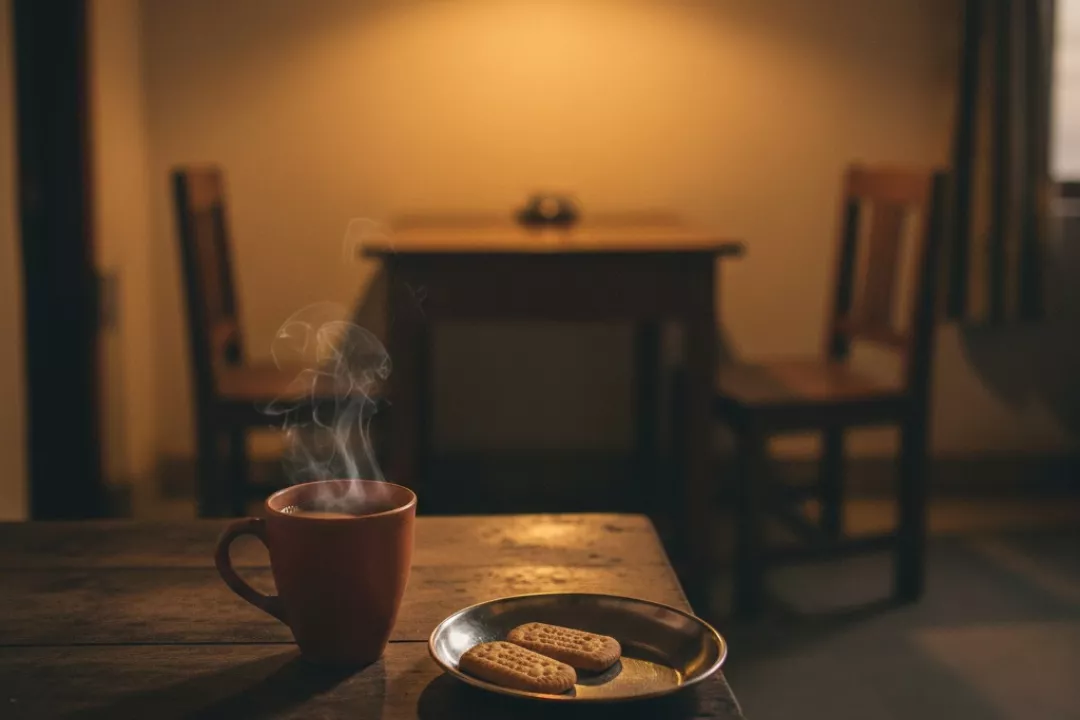
There’s something about having chai together. Even over the phone, even with hundreds of kilometres between you. It loosens things. Ask her to make herself a cup before you call. Tell her you’re making one too. It sounds small, but that shared ritual creates a different quality of conversation. Less check-in, more just being together for a few minutes.
I do it too. I make my chai, ask her if she’s ;made hers, both of us get our packet of Sunfeast Mom's Magic, and talk while sipping our warm tea. And sometimes that’s what the conversation needs too. Not an agenda, not a list of questions, just the two of you, unhurried, with something warm in your hands.
She Will Be Fine. Eventually.
Your mother will probably say “I’m fine” the next time you call too. Old habits don’t break overnight.
But if you keep asking better questions, if you keep holding the door open, one day she’ll walk through it. She’ll tell you about the knee that’s been acting up, or the friend she had a falling out with, or how she sometimes sits in the kitchen in the evenings and it’s too quiet.
And that moment, when she trusts you enough to stop performing fine, is worth every patient, gentle, carefully asked question it took to get there.
She’s been okay for you your whole life. It’s a good time to ask if she’s actually okay.


