



Sign in to share
Shikha Sharma
My husband and I had a five-year plan once.
I found it in an old notebook last month while looking for something else. This is how most emotional ambushes happen in the house. You are looking for one practical thing, like a warranty card or a blank envelope, and suddenly your younger self appears with bullet points.
The notebook was in the back of the study cupboard, under old bills, a passport cover, two dead pens, and one charger whose device we no longer own but are apparently not ready to release. I opened it only to see if there was a blank page.
There it was.
Five-Year Plan.
Written in my handwriting.
Underlined twice.
I called my husband from the bedroom.
“Come here.”
He came in with the cautious expression of a man who has learned that “come here” can mean anything from look at this funny thing to explain why this cupboard is like this.
I showed him the page.
He laughed immediately.
Not because it was funny. Because it was too sincere.
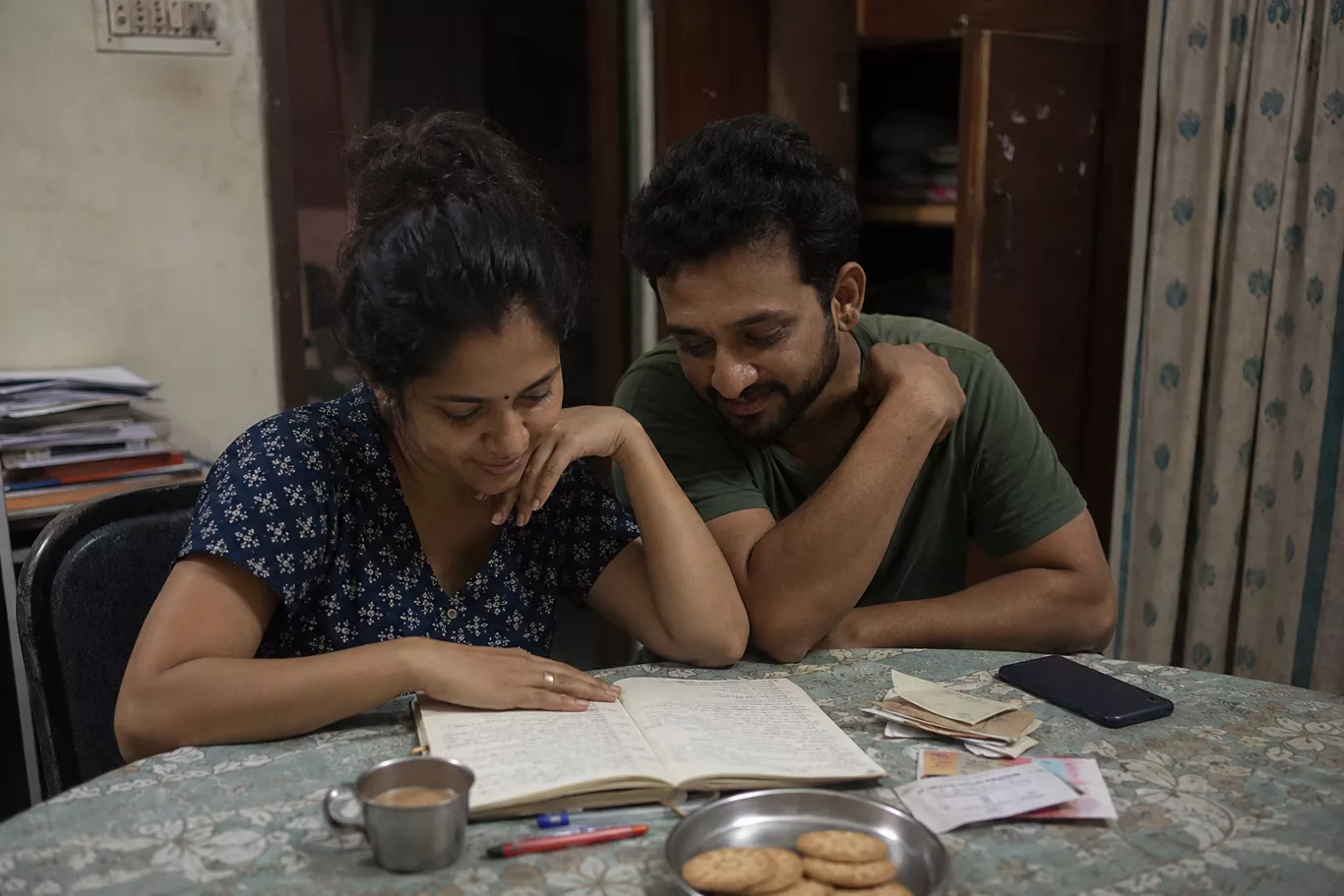
We had written it three months after getting married. On a Sunday afternoon. I remember this because there was rain, and we had made chai, and there were Sunfeast Marie Light biscuits on the plate because we were still in that early married phase where making tea together felt like an activity and not just something required to continue the day.
The plan had headings.
Savings.
House.
Travel.
Career.
Parents.
Fitness.
This last one was particularly ambitious considering both of us had spent most of that year discussing exercise as if discussion itself burned calories.
The Certainty
The embarrassing thing about old plans is not that they are wrong.
It is that they are confident.
We had written things in that notebook like people who believed life could be arranged if discussed properly over tea.
By year two, we would have saved a certain amount.
By year three, we would take one big international trip.
By year four, we would decide about buying a house.
By year five, we would both be in stronger professional positions, which is the kind of phrase people use when they want growth but do not yet know what kind.
We had also written “more time with parents” as if time with parents is a calendar problem and not a complicated mixture of distance, health, work, mood, guilt, traffic, and everyone’s ageing bodies.
I sat on the bed and read it out loud.
My husband leaned against the cupboard and said, “We were very organised.”
“We were very innocent.”
“Same thing.”
He was not wrong.
What Changed First
The first thing to change was money.
Not dramatically. Not in a way that would make a story. Just in the ordinary way money changes plans.
One expense arrived. Then another. A medical thing. A family thing. Rent increasing. Travel that had to happen but was not the travel we had imagined. A repair. A gift. A month where work was fine but payments were late. Another month where everything came together at the wrong time.
The savings line in the notebook began to look less like a plan and more like a person with excellent intentions who had never met an Indian family wedding season.
We adjusted quietly.
The international trip became “maybe next year.”
Then “let’s do somewhere in India first.”
Then “we should not travel just because we wrote it.”
This was sensible.
It was also a little sad.
Not huge sad. Just the small sadness of watching a version of yourself become more practical in real time.
My friend Priya says she and her husband had planned to buy a car in their second year of marriage. Then his father had a health issue, her company delayed bonuses, and the car became a recurring joke.
“Next year,” they would say.
For three years.
When they finally bought it, she said it felt less like achieving a plan and more like greeting something that had waited politely in the corner.
The House Line
The house line was the most complicated.
In the notebook, buying a house had looked like a decision.
It is not a decision.
It is a long argument with banks, interest rates, parents, location, career uncertainty, down payment, commute, furniture, and the question of whether you are ready to attach your adult life to one set of walls.
We had written “decide about house” as if deciding was the difficult part.
By the time the year arrived, the word decide had become very heavy.
My husband wanted stability. I wanted flexibility. Then I wanted stability on some days and flexibility on others. He wanted a place we could make properly ours. I wanted that too, but I also wanted not to feel trapped by an EMI that would sit at the table with us every month.
We had several conversations that began well and then became about fear.
Not because we disagreed completely.
Because we both wanted safety and freedom, and those two things do not always stand in the same place.
My friend Meera says she and her husband postponed buying a house twice. The first time because money was not enough. The second time because they realised the area they could afford was not the life they wanted.
She said the postponement felt like failure until it started feeling like wisdom.
I understood that.
Sometimes a plan changes because you are careless.
Sometimes it changes because you are paying attention.
The Career Part
The career part changed in a way I did not expect.
We had assumed both of us would grow steadily.
This is another young marriage mistake.
Steadily is a beautiful word until life hears it.
There were months when my work moved faster. There were months when his did. There were months when one of us was excited and the other was just surviving the week. There were opportunities that looked good and were not. There were things we said no to and later wondered about. There were things we said yes to and later recovered from.
At some point, the plan stopped looking like two upward lines and started looking like two people taking turns.
One person pushing.
One person holding.
One person uncertain.
One person saying, “It’s okay, we’ll manage.”
Then the roles switching without ceremony.
The notebook had not accounted for that.
It had imagined us moving together in parallel, like two neat arrows.
Marriage is less neat than that. More like one person walking ahead for a while, then slowing down, then the other catching up, then both stopping because someone forgot to pay the electricity bill.
The Parents Line
The line that made me quiet was “parents.”
We had written it very simply.
Visit more. Call more. Plan one trip with both families.
Some of this happened.
Some did not.
What happened instead was more real and less photographable.
Doctor appointments. Sudden visits. Phone calls about medicines. A parent feeling lonely but saying they were fine. Another parent becoming slightly slower and pretending not to notice. Conversations about insurance. Conversations about who will go if something happens. Festivals where we could not be everywhere. Guilt divided unevenly between two households.
No notebook prepares you for the way parents become part of a marriage.
Not as interference. Sometimes that happens, but this was not only that.
As responsibility.
As tenderness.
As logistics.
As the background knowledge that the people who once made time for you now need you to make time differently.
Our plan had said “visit more.”
Life said, learn what more means.
The Plan We Did Not Make
The strange thing is that the plan failed, but the marriage did not.
This should be obvious, but it did not feel obvious when I first looked at the page.
Because some part of me still believes that a plan is proof of seriousness. If we wrote it, we meant it. If we did not do it, something went wrong.
But looking at it again, I realised many things had gone right.
Not according to the notebook.
According to the life.
We had learned how to discuss money without making every conversation feel like a test.
We had learned which expenses mattered and which ones were ego.
We had learned how to be disappointed together without blaming each other immediately.
We had learned that travel could be one night in Jaipur and still count.
We had learned that a rented house could feel like home if the right person knew where the tea leaves were.
We had learned that parents do not need grand gestures as often as they need you to pick up the phone properly.
None of this was in the five-year plan.
Maybe because the real plan was happening underneath the written one.
The Rewrite
My husband asked if we should throw the page away.
I said no.
Then I said maybe.
Then I said no again.
I do this with old things. I want to become the kind of person who can discard them cleanly, but then one page looks at me with history and I become weak.
We made tea.
This felt necessary.
We sat at the dining table with the notebook between us. He brought out Marie Light without asking because the page had already made the evening slightly tender and biscuits are useful in such situations.
We read the plan again.
This time, we did not laugh as much.
We crossed nothing out. We added nothing for a while.
Then he said, “Should we write a new one?”
I said, “Maybe not five years.”
“One year?”
“Maybe six months.”
This is what life has done to us.
It has reduced our planning horizon and improved our accuracy.
We wrote a smaller plan.
Not less ambitious. Just less dramatic.
Save what we can.
Take one proper break.
Spend more time with parents without waiting for festivals.
Fix health routines, but not with the confidence of people who have never met ourselves.
Talk about the house again after six months.
Keep some weekends empty.
This last one felt like maturity.
The Old Page
I kept the old page.
It is still in the notebook.
I do not think of it as evidence that we failed. I think of it as evidence that we once sat in a room and tried to imagine a life together. There is something sweet about that, even if the imagination was incomplete.
Plans are not promises exactly.
They are records of what two people hoped for at a particular time.
Life will edit them. Money will edit them. Parents will edit them. Health, work, cities, tiredness, luck, and the price of everything will edit them.
But making the plan was not foolish.
It gave us a first draft.
The life we are living now is messier than that page.
It is also more ours.
Last week, I opened the notebook again to tear out a blank page for a grocery list. The five-year plan was still there. Underlined twice. Earnest. Slightly ridiculous. Very us.
I did not read it fully this time.
I just smiled and turned the page.


