



Sign in to share
Shikha Sharma
We almost didn't come back from Coorg.
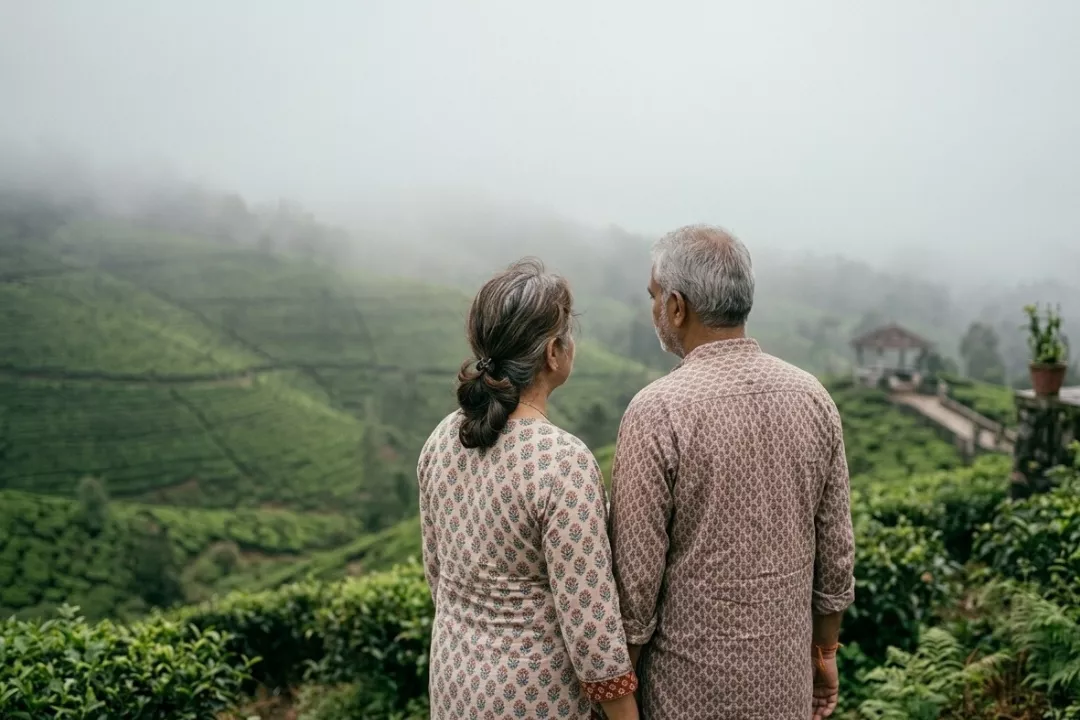
Not literally. We came back. We are fine. But there was a moment on day three of that trip, standing in a coffee plantation in the rain, not speaking to each other, both of us staring at the same view and feeling completely alone, when I genuinely wondered if we'd made a mistake.
The trip had been my idea. I'd sold it hard. A long weekend, just the two of us, no plans, no agenda, proper rest. My husband had been skeptical because he is always skeptical of no-plan trips, and I had overruled his skepticism because I was certain this was exactly what we needed.
I was right that we needed something. I was wrong about what.
Day one was fine. Day two we started getting on each other's nerves in the specific way that only happens when two people are together with no external stimulation and no escape route. By day three we'd had the fight. The real one. The one that wasn't about whether to visit the waterfall or stay in but about something we'd both been carrying for weeks and hadn't found the right moment to say.
The coffee plantation was after the fight. We'd stopped talking and gone for a walk separately and ended up in the same place, standing in the rain, neither of us ready to speak but both of us slightly relieved to be in the same view.
How Trips Go Wrong
I've since collected enough bad holiday stories from friends to understand that what happened to us is not unusual. It is, in fact, extremely usual.
Travel removes the routines that couples use to function. At home you have your systems, your schedules, your separate spaces, the ability to take a break from each other without it meaning anything. On a trip you have none of that. You're together constantly, in unfamiliar places, making decisions you don't normally have to make, and you haven't slept as well as you do at home because hotel pillows are never right.
My friend Priya and her husband had their worst fight ever in Udaipur. She'd wanted to see a specific haveli. He'd wanted to rest. They'd compromised on neither, done something else entirely, and both been quietly resentful about it for the rest of the day until it came out over dinner in a way that neither of them had intended.
"We said things in Udaipur that we'd been not saying for months," she told me. "The trip didn't cause the fight. It just removed all the padding we usually keep around it."
That's the thing about travel. It doesn't create problems. It surfaces them. And surfaced problems, while uncomfortable, are at least visible.
My colleague Rohan and his wife went to Kerala last year and spent the first two days barely speaking. Old tension, wrong timing, confined space. By day three, with nowhere to go and nothing to distract them, they had the conversation they'd been avoiding for two months. They came home closer than they'd been in a year.
"Kerala fixed something we didn't even know was broken," he told me. "Or something we'd been pretending wasn't broken."
The Sunfeast Marie Light Moment
On day four of the Coorg trip, we'd found our footing again. The way you do after a real fight, when everything is slightly raw but also slightly cleaner. We'd found a small shop near where we were staying and I'd bought a packet of Sunfeast Marie Light because we'd run out of things to snack on and I'm the person who thinks about snacks in a crisis, which is a personality trait I've made peace with.
We sat on the veranda of our room, both of us tired, neither of us wanting to talk about anything heavy, and ate biscuits and watched it rain on the coffee plants and didn't say very much at all.
It was one of the better moments of the trip. Which tells you something about what the trip had actually been.
The big dramatic fight in the rain, which felt terrible at the time, was less important than that quiet afternoon on the veranda. We'd said the things that needed saying. We were sitting with them. The rain and the biscuits were incidental but somehow exactly right.
What Bad Trips Actually Do
The holidays that almost break couples do one of two things. They break them, or they fix something that needed fixing and couldn't get fixed at home because home had too much padding.
The difference, from what I've observed, usually comes down to whether both people are willing to be in the difficult thing together rather than trying to get out of it separately.
My friend Kabir and his wife had a disastrous trip to Rajasthan two years ago. Wrong season, bad hotel, one of them got sick on day two. They spent most of it managing logistics rather than enjoying anything. He told me he'd been frustrated for most of it. Then, on the last evening, sitting in the hotel room because there was nowhere else to go, they'd had a long honest conversation about what they each needed that they hadn't been getting. Nothing to do with the trip. Everything to do with them.
They came home from the worst holiday they'd ever had and had one of their better months.
"Rajasthan sorted us out," he said. "Rajasthan also gave me food poisoning, so it's complicated."
The Thing About Shared Adversity
There is a specific kind of closeness that comes from going through something difficult together and coming out the other side. It's not available any other way. You can't manufacture it on a good trip. It requires the bad one.
The missed connection, the terrible hotel, the fight in the rain, the day when everything went wrong and you both had to figure out how to be in it together, these are the things that build something that comfortable, well-planned holidays don't. They build evidence. Proof that you can handle things. That when it gets hard, you're still there.
Coorg almost broke us. It also gave us the conversation we'd needed to have for months and a very good story and a specific shorthand we now use when we're both being unnecessarily difficult about something.
We're going back next year. Better season this time. Still no plan.
My husband is already skeptical. I am already certain it's what we need.
Some things don't change.


