



Sign in to share
Shikha Sharma
My husband and I have a fight approximately once a month.
The fight is always about something different. Last month it was about the way he responded to something at a social event. The month before it was about a decision regarding our weekend plans that I felt was made without adequate consultation. The month before that it was about something at home that I will not specify because it reveals too much about our domestic habits.
Three different fights. Three different topics. One fight.
I did not understand this for a long time. I thought we were having arguments about social events and weekends and domestic habits. We were not. We were having the same argument about the same underlying thing, wearing different clothes each time, showing up in different contexts, but fundamentally the same argument.
The underlying thing is: I want to feel like I am being considered.
Every argument we have, when you follow it all the way down, is about this. The social event argument was about whether he considered how his response would land for me before he gave it. The weekend argument was about whether he considered what I might want before making a plan. The domestic habits argument was about whether he considered my preferences when making a decision in shared space.
Three arguments. Same core. Different clothes.
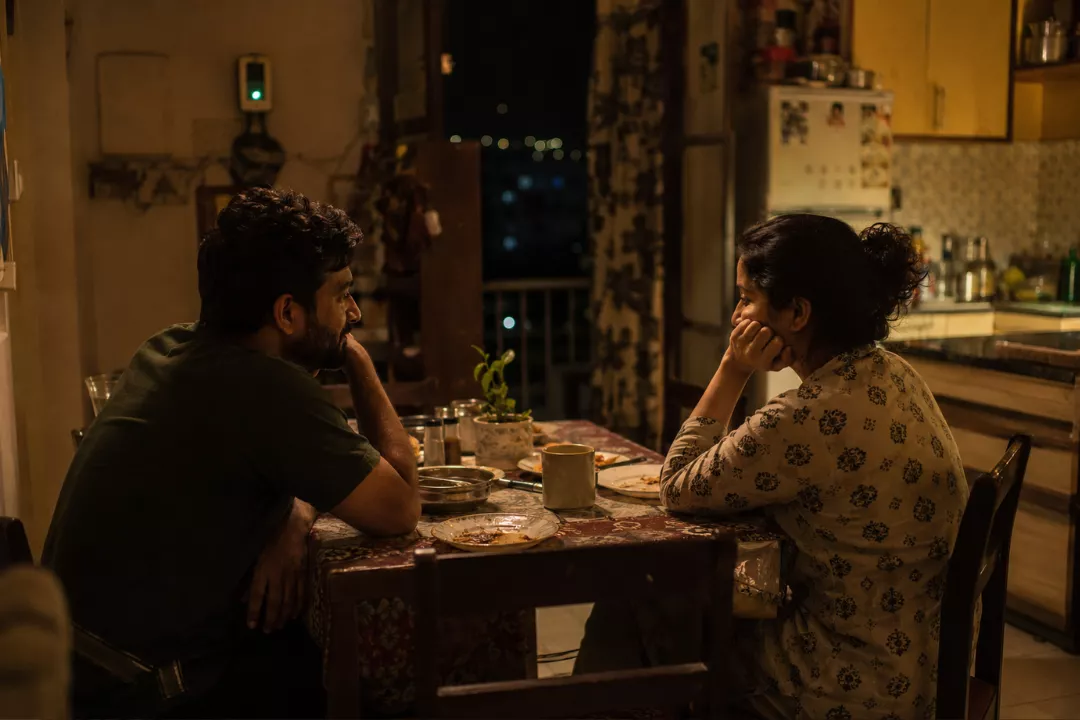
I figured this out about a year into our marriage. We were sitting at the kitchen table after an argument had resolved, Sunfeast Marie Light between us the way it always is at our kitchen table, and I was thinking about the argument and realising it had a familiar shape. Not familiar because we had fought about the same thing. Familiar because the feeling it produced was the same feeling.
I mentioned it to him. I said I think we keep having the same fight. He said we had just fought about weekend plans. I said yes, but underneath it was the same as the last one. He said they were different things. I said they were different things but the same argument. He looked at me for a moment and then said what is the argument. I said I want to feel considered. He was quiet for a bit. He said he thought that was probably right.
The Clothes the Fight Wears
The fight wears different clothes because the trigger is always situational.
It is not that we have unresolved disagreements about weekend planning or domestic habits. It is that these situations occasionally produce the feeling of not-being-considered and the feeling is the argument. The situation is just where the feeling showed up this time.
My friend Priya identified her recurring fight as: I want to feel like you are on my team. She and her husband have fought about her mother-in-law, about money, about a work situation, about something a friend said. Three different topics. Same argument. Every fight, when she traces it back, is about whether he positioned himself on her side or on the side of the situation.
She told him this. He said he thought he was always on her side. She said sometimes it did not feel like it. He said when. She described the mother-in-law situation. He said he had thought he was being balanced. She said balanced was not the same as on her side. He said he understood the difference now.
They still have the fight occasionally. But they have it faster. The clothes come off quicker and they get to the actual thing sooner.
The Speed of the Recurring Fight
This is the useful part of identifying the recurring fight.
Once you know what the fight is actually about, you can get to the actual thing much faster. The fight that used to take two hours takes forty minutes. The forty-minute fight takes fifteen. You are not spending the time on the surface topic. You are going straight to the underlying thing.
My husband and I now have a shortcut. When an argument starts and one of us recognises the shape, we say something that signals the recognition. Not dramatically. Just a small thing that says I know what this is actually about. The other person usually recognises it too. And then we are having the real conversation instead of the surface conversation.
The surface conversation is not useless. The social event or the weekend plan is real and worth addressing. But addressing it without addressing the underlying thing means the underlying thing will come back in different clothes next month. Addressing both means the surface thing gets resolved and the underlying thing gets attended to.
My friend Kabir says his recurring fight took him five years to identify. He and his wife had been fighting about different things for five years before he noticed the pattern. He said the moment he noticed it was the moment he brought it up and his wife said she had known for three years. He said why did you not say anything. She said she had been waiting for him to see it himself. He said that seemed like an inefficient approach. She said she agreed but she had wanted him to arrive at it on his own terms. He had. It took five years. She considered this acceptable.
The Fight That Is Not the Recurring Fight
Not every fight is the recurring fight.
Some fights are just fights. A specific disagreement about a specific thing that does not connect to the underlying argument. These fights are simpler in the sense that the surface topic is the actual topic. You disagree about the specific thing. You resolve the specific thing. It is done.
These fights are easier to resolve but less informative. The recurring fight, for all its repetitiveness, is the fight that tells you something. It maps the territory of what each person needs from the other. The clothing changes. The map stays the same.
My friend Meera says she and her husband have two recurring fights. The first is hers: I want to feel heard. The second is his: I want to feel trusted. They are related but not the same. Different needs. Different triggers. Different clothes. She said once she understood that he had his own recurring fight and it was not the same as hers, she stopped interpreting his fight as a response to her fight. They are two parallel recurring fights having occasional collisions.
She said the collisions are the hardest arguments. Both underlying needs activated at the same time. Twice the fight, half the clarity.
I want to feel considered. He wants to feel appreciated. We are working on it. We are making progress.
The fight comes less often than it used to. When it comes, we know what it is.
We are getting faster.


